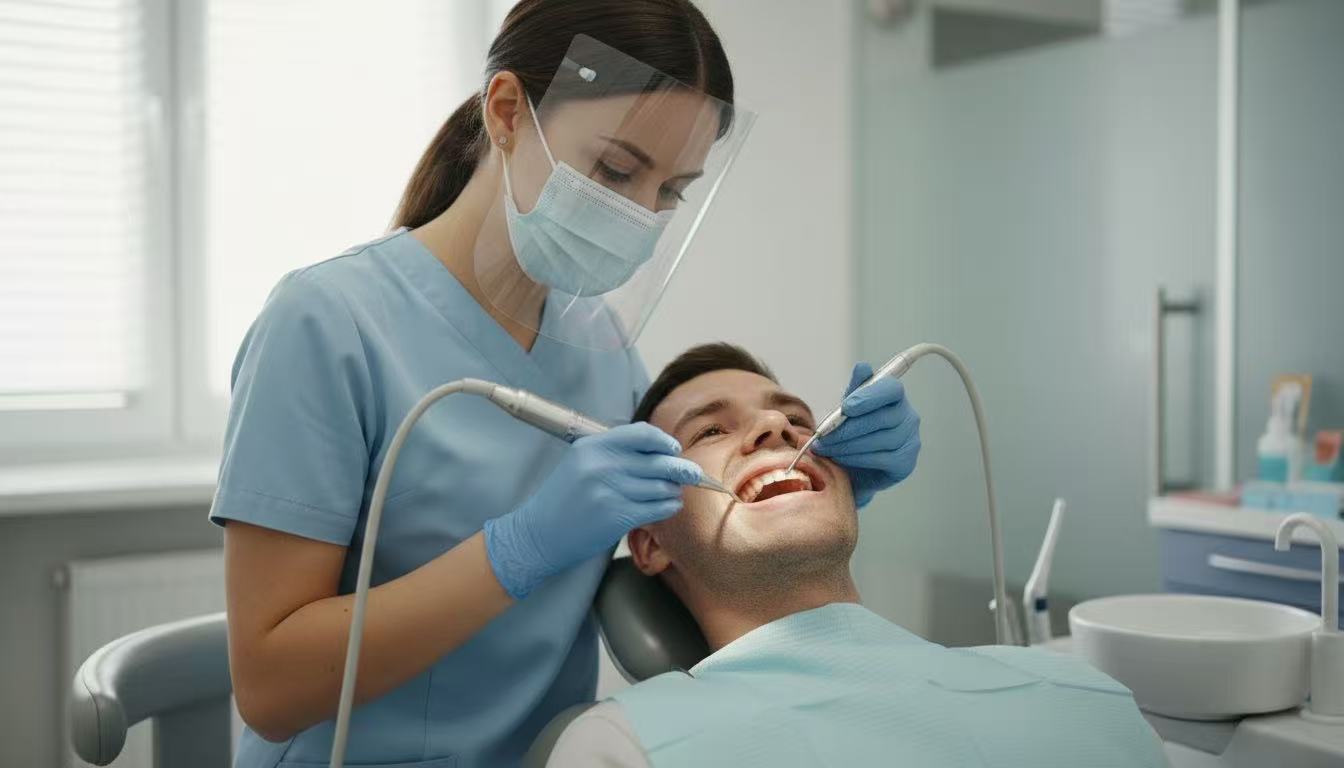






Pregnancy is a time when women are especially careful about their health. Every decision is weighed, every symptom questioned. Unfortunately, this caution has also fueled one of the most persistent myths in healthcare: that dental treatment should be avoided during pregnancy.
In reality, the opposite is true. Dental care during pregnancy is not only safe—it is essential. Hormonal changes increase the risk of gum disease, infections can progress faster, and untreated oral inflammation may affect overall pregnancy health. Modern guidelines from obstetric and dental organizations worldwide are clear on this point.

Shanghai Dental Wellness Center:Why the Mouth Changes During Pregnancy
Pregnancy triggers significant hormonal shifts, particularly increases in estrogen and progesterone. These hormones affect blood vessels, immune response, and tissue sensitivity, including in the gums.
As a result:
gums become more reactive to plaque
blood flow to gum tissue increases
inflammation develops more easily
bleeding becomes more common
This condition is known as pregnancy gingivitis and affects an estimated 60–75% of pregnant women. Even women with previously healthy gums may notice bleeding or swelling during brushing.
Some women also develop pregnancy epulis, a benign gum overgrowth caused by an exaggerated inflammatory response. While not dangerous, it can interfere with eating or oral hygiene if left unmonitored.
The Myth: “Dental Treatment Is Dangerous During Pregnancy”
This belief persists largely due to outdated information. Current evidence shows that avoiding dental care poses a greater risk than receiving appropriate treatment.
Professional bodies such as:
the American College of Obstetricians and Gynecologists
the American Dental Association
the World Health Organization
explicitly state that routine dental care and necessary treatments should not be delayed during pregnancy.
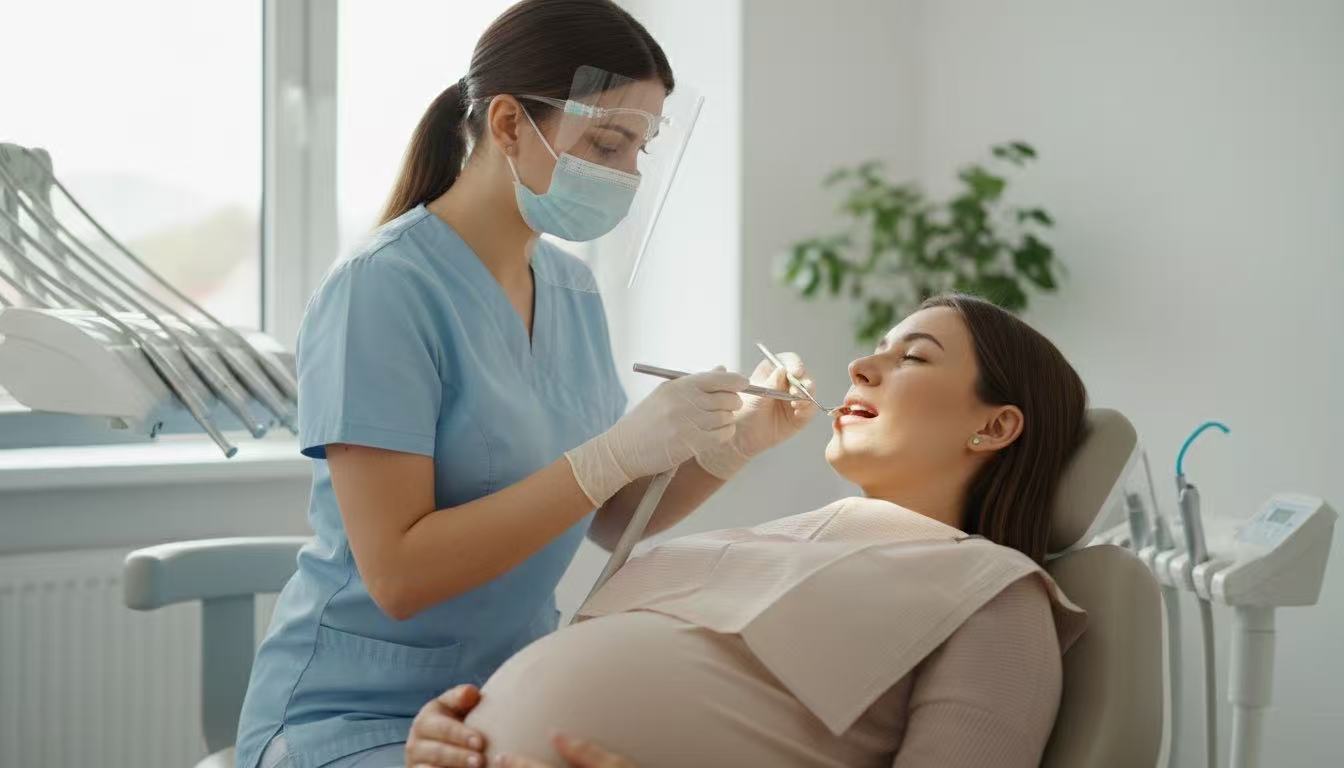
What Dental Treatments Are Safe?
Routine care:
examinations
professional cleanings
scaling and root planing when indicated
Necessary treatment:
fillings
crowns
root canal treatment
management of dental infections
extractions when unavoidable
Leaving an infection untreated exposes both mother and fetus to prolonged inflammation and bacteremia.
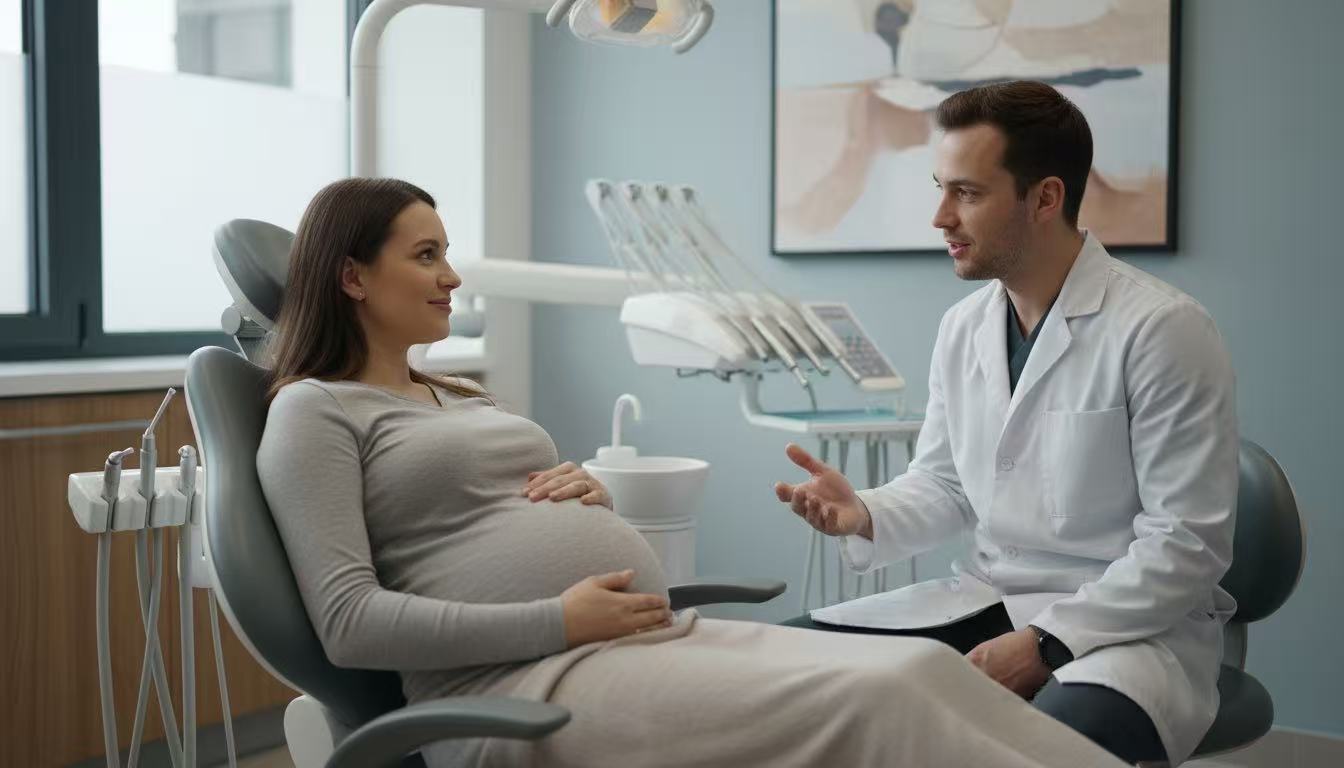
Local Anesthesia and Pain Control
Local anesthetics such as lidocaine are considered safe during pregnancy when used appropriately. Pain control matters. Stress and uncontrolled pain trigger hormonal responses that are more harmful than properly administered anesthesia.
What About Dental X‑Rays?
Modern digital dental X-rays use very low radiation doses. With proper shielding (lead apron and thyroid collar), fetal exposure is negligible and far below levels associated with risk.
When X-rays are clinically necessary—for example, to diagnose infection—they should not be postponed.
Best Timing for Dental Care
While dental care is safe throughout pregnancy, comfort varies:
second trimester is often ideal for elective care
emergency care is safe at any stage
third trimester visits may be shorter with adjusted positioning
Dentists routinely adapt care to the patient’s stage of pregnancy.
Gum Disease and Pregnancy Outcomes
Multiple studies have explored the association between periodontal disease and adverse pregnancy outcomes, including preterm birth and low birth weight. While research continues, inflammation is the common factor linking oral disease and systemic effects.
Maintaining gum health reduces inflammatory burden during pregnancy.
Morning Sickness and Enamel Erosion
Frequent vomiting exposes teeth to stomach acid, increasing erosion risk.
Recommended strategies:
rinse with water after vomiting
wait 30–60 minutes before brushing
use fluoride toothpaste
consider fluoride rinses if advised
These steps help protect enamel during pregnancy.

Real-Life Example
A pregnant patient delayed dental care due to fear. Months later, she presented with facial swelling from a dental abscess requiring emergency treatment and antibiotics. Early care would have prevented the situation.
Take-Home Message
Pregnancy is not a reason to pause dental care—it is a reason to prioritize it.
Healthy gums reduce inflammation, prevent infection, and protect both mother and baby. Modern dentistry is safe, evidence-based, and carefully adapted for pregnancy.
About Parkway Dentistry Center
Parkway Dentistry Center provide complete dental care for adults and children, all in one place. Our goal is simple: to help you keep your teeth healthy, comfortable, and looking good—now and in the long term.
Our dental team includes experienced general dentists and specialists who work closely together. This means most problems can be assessed, planned, and treated under one roof, without unnecessary referrals or delays.
We take time to explain findings, treatment options, costs, and timelines clearly, so patients can make informed decisions. Our team aims to provide a calm, respectful, and professional experience from the first visit through follow-up care.
Whether you are coming for a routine check-up or more advanced treatment, we are here to support your oral health at every stage of life.
Selected References:
American College of Obstetricians and Gynecologists (ACOG)
American Dental Association
Journal of Clinical Periodontology
World Health Organization