






Many people only visit the dentist when something hurts. From their point of view, this feels logical: why fix something that does not cause pain? The problem is that dentistry does not work like that. Pain is usually a late sign, and by the time it appears, the problem is often more complex, more invasive, and more expensive to treat.
The idea of a “six-month checkup” is not arbitrary marketing. It comes from decades of clinical observation about how plaque, bacteria, and inflammation behave over time.

Why Waiting for Pain Is Too Late
Most early dental problems are silent:
early cavities do not hurt
gum disease progresses without pain
cracks develop slowly
bite overload builds gradually
Pain usually appears only when:
decay reaches the nerve
infection spreads
a tooth fractures
inflammation becomes severe
At that point, treatment options are narrower.
Parkway Dental Shanghai:What Actually Happens at a Preventive Visit
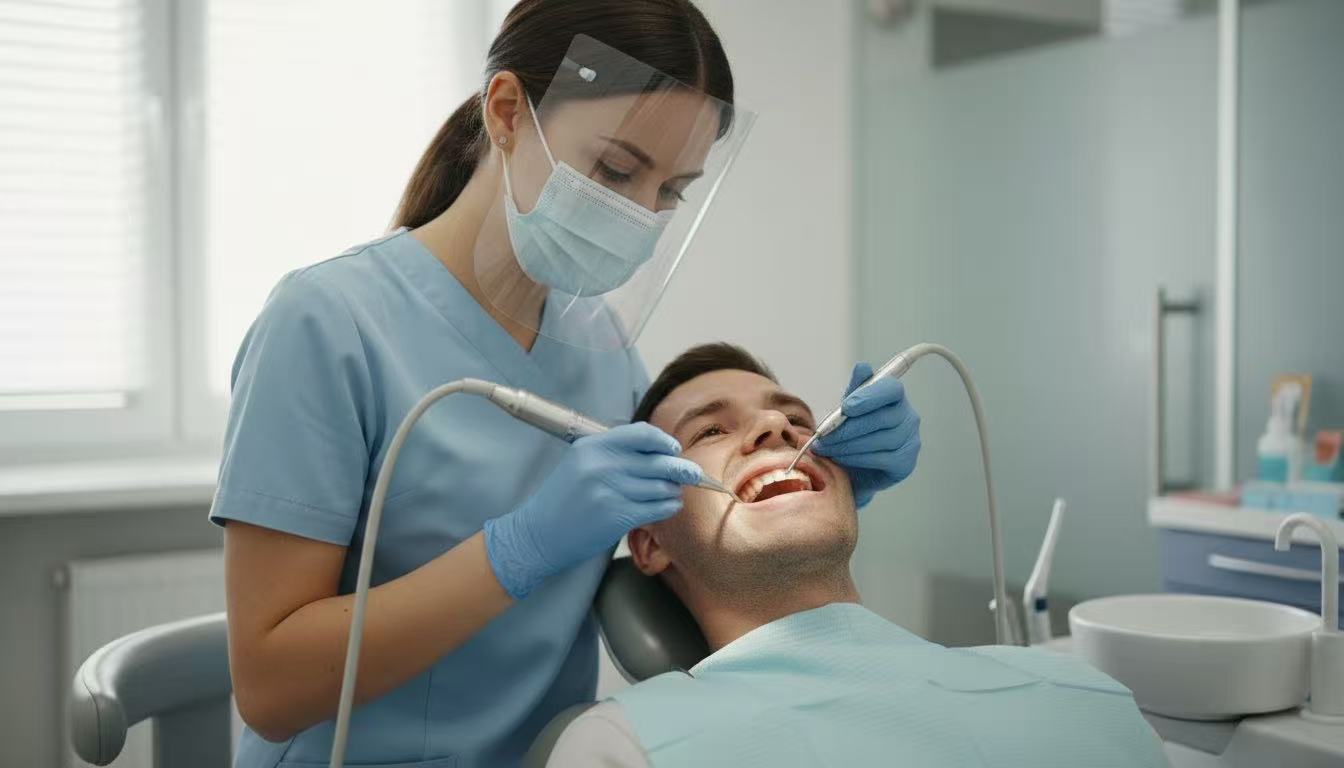
A proper checkup is not just “a quick look.” It typically includes:
evaluation of teeth and existing restorations
assessment of gum health (bleeding, pocket depths)
checking for cracks and wear
bite and jaw assessment
screening for oral pathology
professional cleaning to remove hardened tartar
Tartar cannot be removed with brushing alone. Leaving it in place keeps inflammation active.
Why Six Months Makes Sense for Many People
Plaque hardens into tartar over time. In most people, this process reaches a clinically significant level within a few months. Six months is a practical interval that allows problems to be detected early without overtreatment.
However, six months is not a rule. It is a starting point.
Who Needs More Frequent Visits
Some patients benefit from shorter recall intervals, often every 3–4 months:
history of gum disease
smoking
diabetes
dry mouth
heavy tartar buildup
extensive dental restorations
High-risk patients need closer monitoring to prevent relapse.
Who May Need Less Frequent Visits
Low-risk patients with:
excellent oral hygiene
low cavity risk
healthy gums
stable restorations
may safely extend recall intervals to 9–12 months under professional guidance.
The Economics of Prevention
Preventive visits save money over time:
small cavities cost less to treat than root canals
early gum disease is easier to manage
cracked teeth caught early are often saved
fewer emergencies mean less disruption
From a financial perspective, prevention is the most cost-effective form of dental care.
Real-Life Example
A patient skipped checkups for three years because he had no pain. When discomfort appeared, a deep cavity required root canal treatment and a crown.
At his previous visit, the same tooth had only a small lesion that could have been treated with a simple filling.

Take-Home Message
You do not visit the dentist every six months because something is wrong.
You go because you want to keep things right.
Regular checkups allow dentistry to stay conservative, predictable, and affordable.
About Parkway Dental Shanghai
Parkway Dentistry Center provide complete dental care for adults and children, all in one place. Our goal is simple: to help you keep your teeth healthy, comfortable, and looking good—now and in the long term.
Our dental team includes experienced general dentists and specialists who work closely together. This means most problems can be assessed, planned, and treated under one roof, without unnecessary referrals or delays.
Whether you are coming for a routine check-up or more advanced treatment, we are here to support your oral health at every stage of life.
Selected References:
Cochrane Oral Health Reviews
Journal of Dental Research
World Health Organization oral health guidance