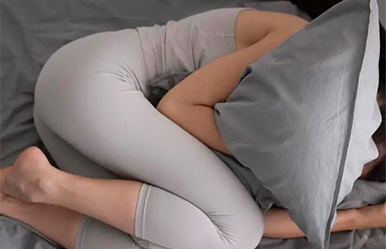






Many women entering perimenopause or menopause expect hot flashes, mood swings, or difficulty sleeping. What often surprises them, however, is the onset or intensification of pain. Whether it’s joint stiffness, back discomfort, headaches, or menstrual pain, many women find that their bodies hurt in ways they didn't expect, and often in ways that weren't discussed or prepared for.
Pain during this stage is often dismissed as part of aging or stress, but what women are rarely told is that hormonal fluctuations are a major driver of this discomfort. Hormones like estrogen, progesterone, and testosterone influence how our bodies respond to pain, and as these levels fluctuate and decrease during perimenopause and menopause, the experience of pain can intensify.
The Hidden Link: Hormones and Pain Sensitivity
Estrogen plays a crucial role in pain modulation. It regulates inflammation, supports joint health, and helps maintain tissue elasticity. As estrogen levels decline, so does the body's ability to control inflammation and protect joint and tissue health. For many women, this shift can lead to:
Increased pain sensitivity
Worsening of chronic pain condition
New aches and discomforts that weren’t present before
This hormonal shift means that pain is not"just in your head". It's a real, physical response to hormonal changes. Yet, for many women, this is rarely explained, leaving them to struggle with symptoms in silence.
Parkway Health Shanghai:Types of Pain Commonly Experienced in Perimenopause and Menopause

Joint Pain and Stiffness
Many women experience discomfort in their hands, knees, hips, and shoulders, often exacerbated in the morning or after periods of inactivity. This is commonly linked to the decline in estrogen, which protects the joints and tissues.
Muscle Aches and Soreness
Some women notice muscle pain after relatively light activity or feel sore after routine movements. Hormonal changes can interfere with muscle repair and tissue flexibility, leaving muscles more prone to strain and stiffness.
Neck, Shoulder, and Upper Back Pain
Tension pain in the neck, shoulders, and upper back is common during menopause, often linked to the additional mental and physical stress many women face at this time. Frozen shoulder (adhesive capsulitis), a condition that causes stiffness and pain in the shoulder joint, is also more common during this period. Poor posture, desk jobs, emotional stress, and hormonal changes that affect joint and connective tissue health can all contribute to these pain patterns.
Headaches and Migraines
Fluctuating estrogen levels are a known trigger for headaches and migraines. Many women report that their headache patterns change, becoming more frequent or intense during perimenopause.
Lower Back and Pelvic Discomfort
Hormonal shifts can affect the pelvic region, leading to lower back pain or pelvic heaviness. This is often due to changes in the pelvic floor muscles and ligaments, which lose strength and flexibility due to declining estrogen.
Increased Pain Sensitivity
Many women in perimenopause and menopause report that they experience pain more acutely than before. This is known as hyperalgesia, a heightened sensitivity to pain, which is directly related to hormonal changes.
Heavier and More Painful Periods: A Warning Sign
Heavier or more painful periods are common during perimenopause, but they often go unaddressed. As ovulation becomes more irregular, estrogen levels fluctuate, which can cause the uterine lining to become thicker than usual. This can lead to longer periods, heavier bleeding, and more intense cramping.
While this may seem like a typical part of aging, it’s crucial that any changes in menstrual patterns be evaluated by a doctor. Persistent heavy bleeding, irregular spotting, or severe cramps are not only uncomfortable but can signal underlying conditions like fibroids, endometrial polyps, or adenomyosis.
If you notice:
Menstrual bleeding lasting longer than usual
Spotting between periods
Severe cramps or pelvic pain
It’s important to seek proper medical advice and evaluation. While these symptoms are often hormone-related, they should never be ignored.
Why Women Are Rarely Told About Hormonal Pain
There are a few reasons why this hormonal connection to pain is not commonly discussed:
Pain is often dismissed as stress or aging: Women are often told that pain is simply part of getting older, especially when it comes to joint discomfort or muscle aches.
Symptom overlap: Many of these symptoms overlap with other medical conditions, leading to confusion or misdiagnosis.
Lack of awareness: Menopause is still a subject that is underrepresented in clinical education, and many doctors may not be fully aware of how hormone fluctuations contribute to pain.
Cultural silence: Pain in perimenopause and menopause is rarely openly discussed, making it harder for women to seek help or feel understood.
What You Can Do to Manage Pain
While hormonal changes can increase pain, there are many ways to manage these symptoms effectively:
Exercise regularly:
Low-impact activities like walking, swimming, or yoga can help maintain joint and muscle health.
Strengthen muscles:
Strength training and resistance exercises can help improve muscle function and reduce pain.
Diet and nutrition:
Eating a balanced diet rich in anti-inflammatory foods can support joint health. Ensure adequate vitamin D and calcium for bone health.
Stress management:
Practices like meditation, deep breathing, or relaxation techniques can help manage stress, which can exacerbate pain.
Adequate sleep:
Sleep is critical for recovery and managing pain sensitivity. Establish a regular sleep routine.
Medical intervention:
In some cases, medications or hormone therapy (HRT) can help manage symptoms. Your doctor may also recommend other treatments like physiotherapy, acupuncture, or pain relief strategies tailored to your symptoms.
When to Seek Medical Help?
It’s important to seek medical advice if your pain:
Persists or worsens despite self-care measures
Is associated with abnormal bleeding or heavy periods
Interferes with your daily life and activities
Is accompanied by other unexplained symptoms like weight changes, fatigue, or severe mood swings
Key Takeaways
Pain during perimenopause and menopause is real, hormonally influenced, and manageable. With the right lifestyle changes, medical support, and open discussions, women can navigate these years more comfortably and confidently. Understanding the role of hormones in pain and seeking timely medical evaluation can help women stay active, healthy, and pain-free as they move through this life stage.
Written by Dr. Agnieszka Kucharska Bielewicz