






Many people believe that losing teeth after the age of 50 is simply part of getting older. This belief is deeply rooted in culture and experience, especially in regions where preventive dental care was not common in previous decades. From a medical point of view, however, tooth loss is not a normal consequence of aging. In the vast majority of cases, it is the result of untreated disease.
Understanding why tooth loss occurs—and how it can be prevented—changes how we approach oral health later in life.
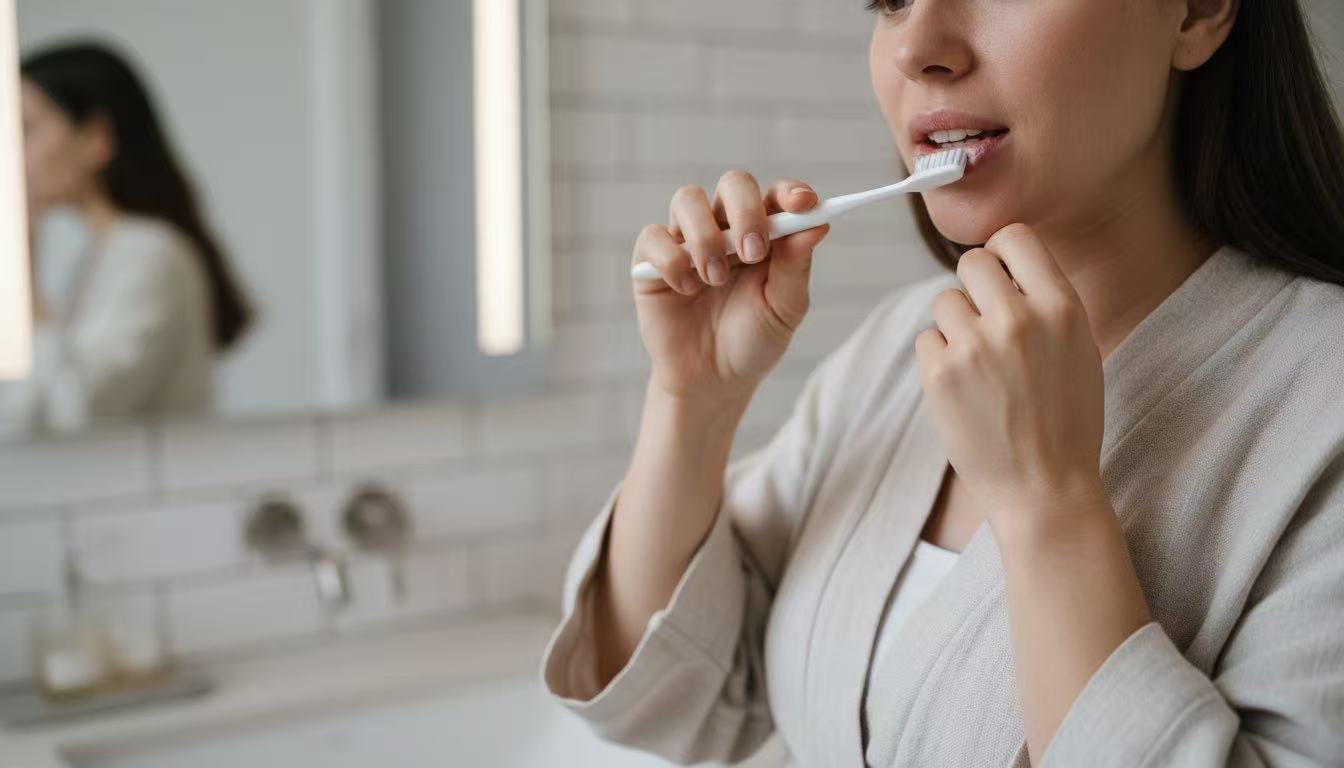
The Main Cause: Gum Disease, Not Age
In adults, the leading cause of tooth loss is periodontal disease, not cavities and not aging itself. Periodontal disease is a chronic inflammatory condition that destroys the bone and connective tissue holding teeth in place.
What makes it dangerous is that it is often painless in its early and even moderate stages. Many patients are unaware anything is wrong until teeth become loose, infected, or difficult to chew with.
Dental Clinic Shanghai:Why the Risk Increases After 50
Tooth loss becomes more common after 50 for several reasons:
cumulative plaque exposure over decades
long-standing untreated gum inflammation
smoking history
diabetes and metabolic disease
reduced saliva flow from medications
less frequent professional care
These factors do not suddenly appear at 50, but their effects accumulate and become clinically visible around this age.
Bleeding Gums Are Not “Normal”
One of the most damaging myths is that bleeding gums are harmless or expected with age. Bleeding is a sign of inflammation. When ignored, inflammation progresses deeper, causing bone loss around the teeth.
By the time pain appears, significant damage may already have occurred.
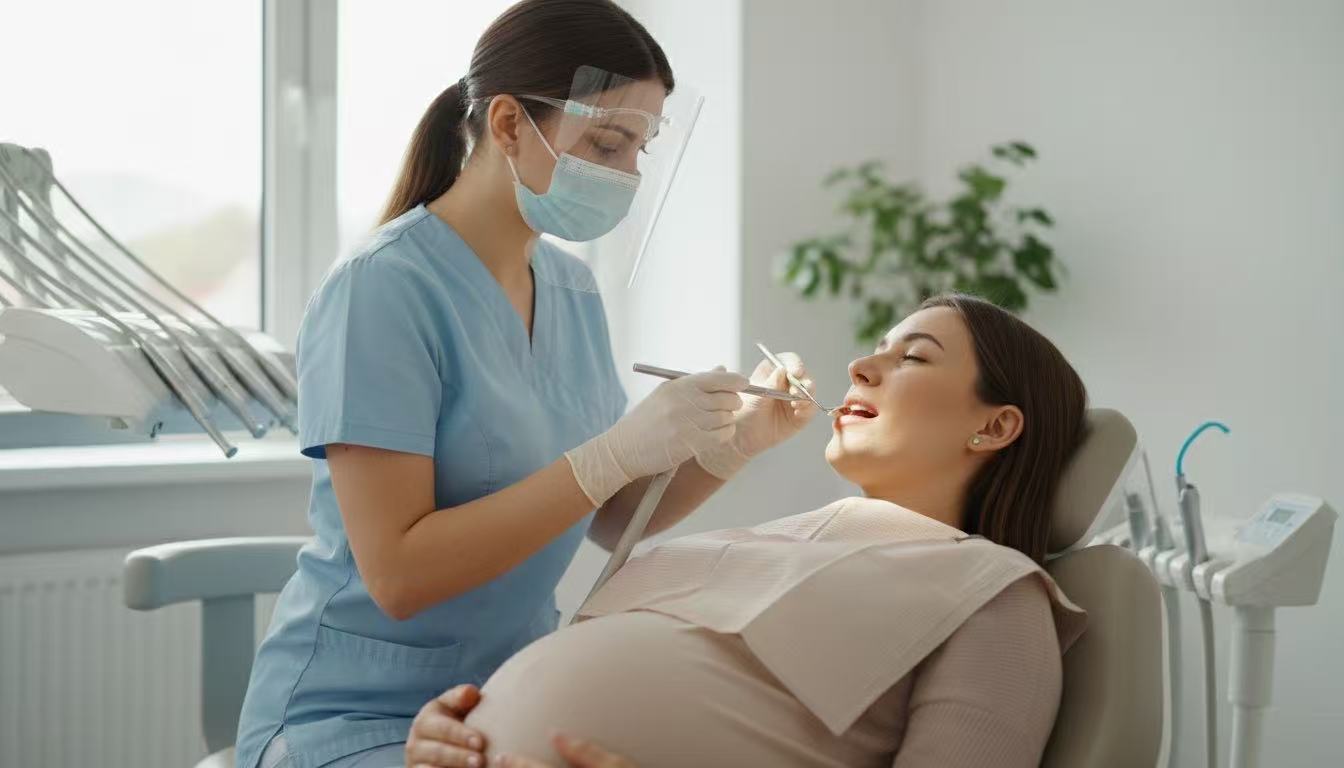
Why Tooth Loss Is More Common in Some Populations
In populations where:
preventive checkups were uncommon
treatment was sought only for pain
smoking rates were high
access to periodontal care was limited
tooth loss rates are significantly higher.
This explains why many older adults have missing teeth despite advances in modern dentistry.
What Prevention Actually Looks Like
Preventing tooth loss requires more than brushing harder.
Effective prevention includes:
routine periodontal screening
professional cleaning and deep cleaning when indicated
individualized maintenance intervals (often every 3–4 months)
proper home-care techniques, including interdental cleaning
management of systemic risk factors such as diabetes
smoking cessation
Once periodontal disease is controlled, tooth stability can often be maintained for decades.
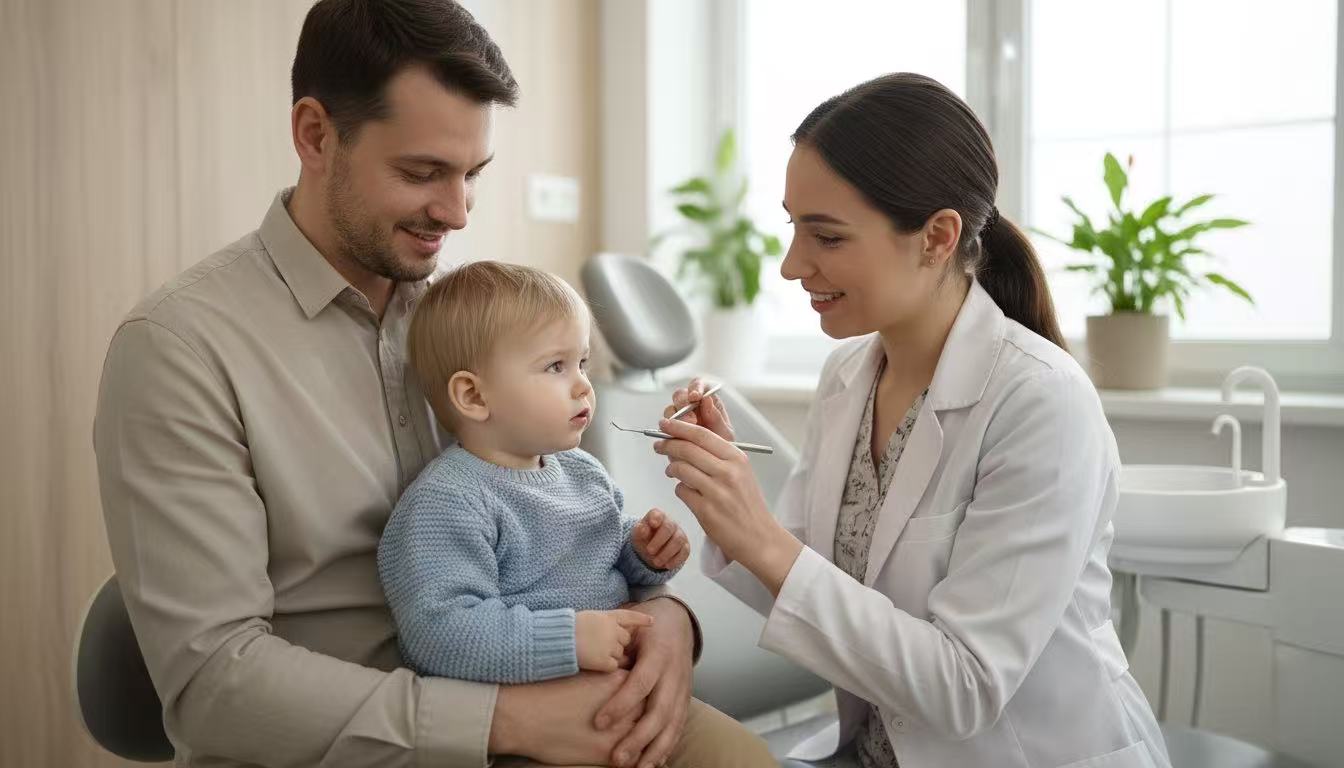
Real-Life Example
A 58-year-old patient presented with mobile teeth and difficulty chewing. He assumed extraction was inevitable.
After periodontal treatment and structured maintenance, mobility stabilized, chewing comfort improved, and extractions were avoided. Ten years later, the teeth remain functional.
Why Keeping Teeth Matters After 50
Natural teeth support:
efficient chewing and digestion
clear speech
facial structure and appearance
nutrition and diet quality
quality of life
Tooth loss affects more than the mouth. It can influence social confidence, food choices, and overall health.
Implants Are Not a Replacement for Prevention
Dental implants are an excellent solution when teeth are lost, but they do not replace the value of natural teeth. Implants require healthy bone and gums and can also fail in the presence of untreated inflammation.
Preventing tooth loss remains the best strategy.
Take-Home Message
Losing teeth after 50 is not inevitable.
With early diagnosis, proper periodontal care, and regular maintenance, most adults can keep their natural teeth for life.
Dental Clinic Shanghai:
Parkway Dentistry Center provide complete dental care for adults and children, all in one place. Our goal is simple: to help you keep your teeth healthy, comfortable, and looking good—now and in the long term.
Our dental team includes experienced general dentists and specialists who work closely together. This means most problems can be assessed, planned, and treated under one roof, without unnecessary referrals or delays.
Whether you are coming for a routine check-up or more advanced treatment, we are here to support your oral health at every stage of life.
Selected References:
Journal of Clinical Periodontology
Journal of Periodontology
International Dental Journal
WHO Oral Health Reports