









Patients who have undergone multiple dental treatments often ask the same question: “Why does this keep failing?” The frustration is understandable. When a filling breaks, a crown comes loose, or pain returns after treatment, it can feel as though dentistry itself is unreliable. In reality, repeated failures are rarely random. They almost always have identifiable causes.
Understanding these causes is essential for achieving stable, long-term results.
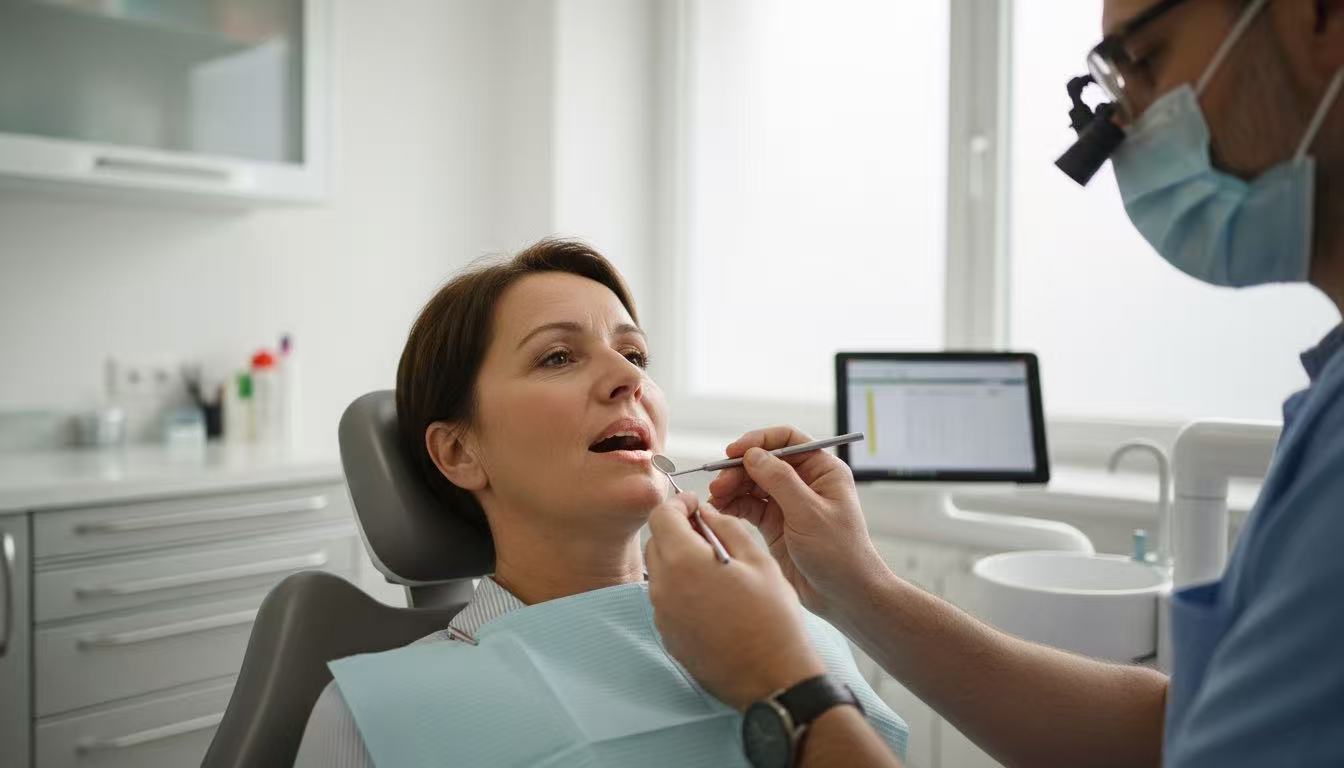
Dental care Shanghai:Failure Is Usually A System Problem, Not A Single Error
Most dental failures are not due to one bad material or one isolated mistake. They result from gaps in diagnosis, planning, execution, or maintenance.
Dentistry works best as a system:
accurate diagnosis
proper sequencing of treatment
precise execution
long-term maintenance
When one part is missing, failure risk increases.
Incomplete or Missed Diagnosis
One of the most common reasons treatments fail is that the underlying problem was never fully identified.
Examples include:
restoring a tooth without treating active gum disease
placing a crown on a cracked tooth without addressing crack propagation
filling a cavity without addressing high caries risk
replacing restorations without evaluating bite forces
If the cause remains, the restoration becomes a temporary solution.
Bite Forces and Overload
Teeth do not function in isolation. Bite forces can destroy even well-made restorations if they are not distributed correctly.
Risk factors include:
grinding or clenching
missing posterior teeth
uneven bite contacts
poorly adjusted restorations
Without bite analysis and protection, restorations are exposed to repeated overload.
Technique Sensitivity and Environment
Modern dental materials are highly effective—but sensitive.
Bonding procedures require:
excellent moisture control
proper isolation
precise technique
correct curing
Even minor saliva contamination can significantly shorten restoration lifespan.
Material Choice Must Match the Situation
The “strongest” material is not always the best choice.
Material selection depends on:
remaining tooth structure
enamel availability
bite forces
restoration size
aesthetic demands
Using the wrong material in the wrong situation increases failure risk.

Lack of Maintenance and Follow-up
Dental treatment does not end when the procedure is finished.
Without:
regular review
professional cleaning
bite adjustment when needed
early intervention
small problems become big failures.
Communication Gaps
Patients often are not told:
realistic lifespan of restorations
signs of early failure
importance of maintenance
need for protective appliances
When expectations are unclear, outcomes suffer.
Real-Life Example
A patient had three crowns replaced over eight years. Each fractured.
Evaluation revealed severe nighttime grinding and lack of posterior support. After bite stabilization and a nightguard, the next restoration remained stable for over a decade.
What High-Quality Dentistry Looks Like
Successful long-term dentistry typically involves:
comprehensive diagnosis (including gums and bite)
staged treatment (stabilize disease first)
precision execution
appropriate material choice
structured maintenance
International training and modern diagnostics improve consistency, not because they are “fancier,” but because they reduce blind spots.
Take-Home Message
Dental treatments usually fail for reasons—not by chance.
Identifying and correcting the underlying causes is the key to predictable, long-term success.
Abut Parkway Dentistry Center
When treatment is needed, Parkway Dentistry Center offer modern solutions such as fillings, crowns, implants, orthodontic care, and cosmetic treatments. Digital scanning and imaging help make care more accurate, comfortable, and predictable.
As part of a multidisciplinary medical clinic, we work closely with other medical specialists. This is especially helpful for patients with jaw pain, sleep problems, chronic medical conditions, or complex health needs. Care is coordinated, not fragmented.
Selected references:
Operative Dentistry
Journal of Prosthodontics
Clinical Oral Investigations
Journal of Dentistry